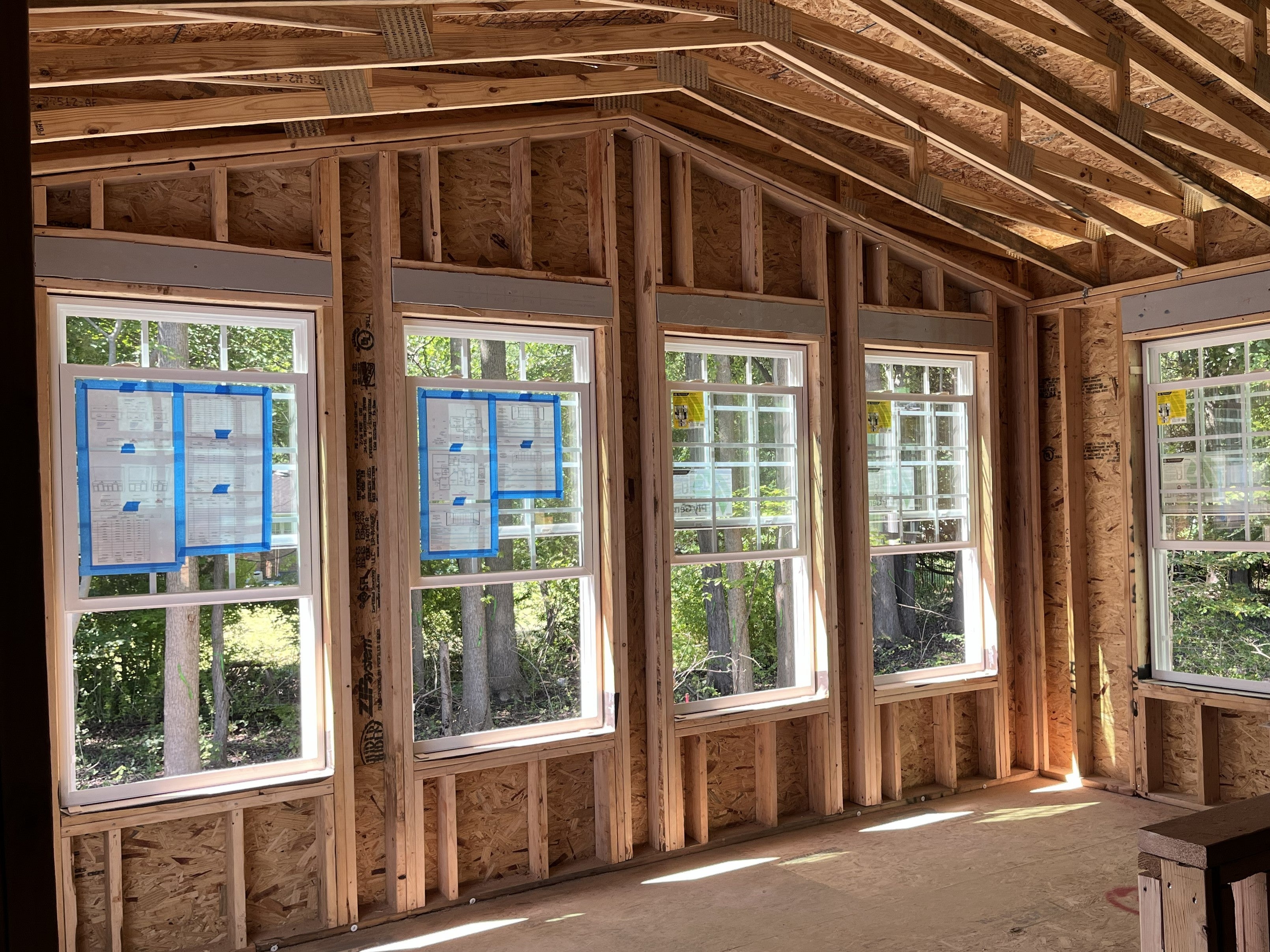
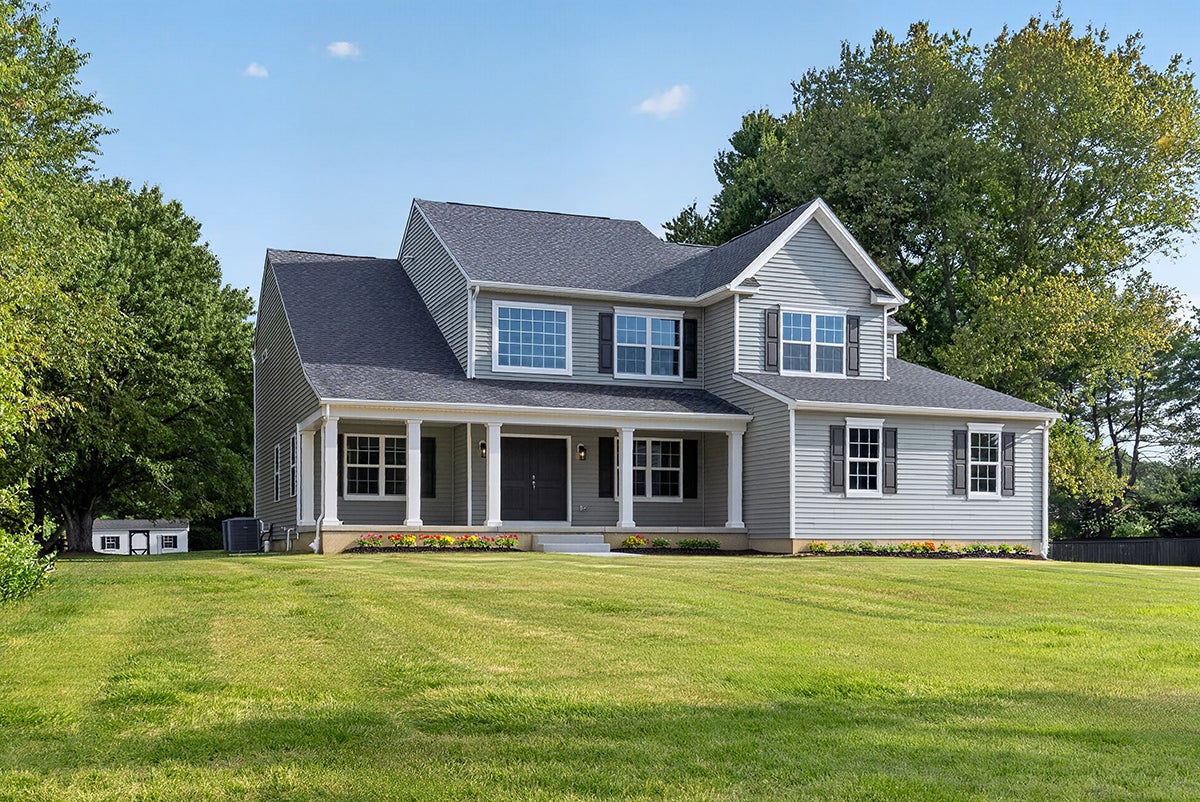
Once summer winds down, it is easy to assume you have missed your chance to start a custom home until spring. But building a house on vacant land does not begin when excavation equipment arrives. It begins much earlier, with understanding the property, choosing the right home, developing a budget and working through the approvals that turn vacant land into a buildable homesite.
That is why fall can be such a productive time to get started. Depending on the property and local conditions, homeowners can use the season to evaluate their land, identify challenges, begin permitting, make home and foundation decisions and prepare for the construction phases ahead.
The goal is not to race winter or assume every type of site work can happen in the fall. Weather, soil, approvals and the homesite itself will always guide that decision. The advantage is simply that you do not have to let several useful months pass before beginning the process.
At Schaeffer Homes, we have three generations of experience helping homeowners build on their land across New Jersey, Pennsylvania, Delaware and Maryland. Here is what we want landowners to know before deciding to wait until spring.
Physical construction is only one part of building a custom home. Before the first shovel hits the ground, there may be consultations, surveying, site evaluation, engineering, budgeting, utility planning, permitting, home plan selection and design decisions.
Waiting until spring to start all of that does not necessarily mean construction can start immediately in spring. You may instead spend those warmer months working through questions that could have been addressed earlier.
Starting in fall does not guarantee a particular construction date. What it does provide is more runway. Through our building process, we can begin connecting the land, home design, approvals and budget rather than treating groundbreaking as the first step.
A property can look very different in October than it did in July.
As leaves and ground begin to cover the ground, thin, sight lines through wooded parcels may become clearer. Slopes, neighboring properties, access points and potential views can be easier to understand. Seasonal rain may also reveal low areas or places where water tends to collect.
Those observations are useful because vacant land is rarely a blank canvas. A heavily wooded parcel may need selective clearing before the best home orientation becomes obvious. A low section may require more drainage planning. A slope that seemed minor during a summer visit may influence grading or foundation decisions.
Fall observations are clues, not a substitute for surveying, engineering or professional evaluation. Ideally, we want to understand a homesite under real conditions rather than judging it from one perfect sunny-day visit.
One of the most important lessons in Build On Your Lot construction is simple: the property should help shape the home.
Lot width, depth, setbacks, topography and the available building envelope can affect which plans fit comfortably. Driveway access may influence garage orientation. A sloped parcel may change foundation considerations. Well and septic locations can affect where the house and outdoor living areas sit.
That is why selecting a floor plan first and forcing it onto the property later can create unnecessary compromises.
We look at the house and land as one project. Schaeffer offers multiple home designs, from single-story ranch plans to traditional two-story homes, with opportunities for personalization and semi-customization. We can also discuss homeowner-supplied architectural plans when appropriate.
If you already own a property, bring us what you know about it. A conversation with a New Home Specialist can begin identifying which home designs may make sense before you become attached to one that does not fit the site.
A clear, level-looking lot can still have complicated development requirements.
Zoning rules and municipal setbacks may restrict where the house can legally sit. Easements can affect usable space. Wetlands or flood considerations may require additional review. Septic feasibility, well requirements, municipal utilities, driveway permits, stormwater requirements or deed restrictions can all influence the plan.
Flood risk is another consideration worth investigating early. The FEMA Flood Map Service Center provides official flood hazard information, but local requirements and property-specific evaluation still matter.
None of these issues mean a property cannot be built on. They mean that owning vacant land and having a construction-ready homesite are two different things.
Fall can be valuable because it gives you time to identify these questions before you reach the stage when unresolved requirements become delays.
Drainage deserves more attention than whether a lot has a few puddles.
We want to understand how water enters and leaves the property, where natural low points are, how road runoff behaves and whether neighboring land directs water toward the homesite. Those conditions can influence grading, foundation planning, driveway design and long-term water management around the finished home.
Fall rain may provide useful clues that were not obvious during a dry summer. However, a rainy-day site visit cannot replace engineering or professional drainage evaluation.
Site work itself also has stormwater implications. The EPA considers clearing, grading and excavation earth-disturbing construction activities, with requirements depending on the scale of disturbance and applicable state or local regulations.
The important lesson is to understand drainage before the house is placed, not after water becomes a problem.
Depending on project readiness and local conditions, fall may offer opportunities to move certain site activities forward.
Surveying, property staking, access planning, selective clearing, utility coordination and driveway planning may be possible. In some cases, excavation or foundation work may also move forward when the property, approvals, weather and construction schedule allow.
But fall is not automatically better for excavation or clearing. Saturated soil, prolonged rain, freezing temperatures or environmental restrictions can change what is appropriate.
Experienced builders do not force work because of the calendar. The smarter question is: what can reasonably move forward on this property right now?
Sometimes the answer is physical site work. Sometimes it is planning that prepares the project for the next stage.
Permitting is not the most exciting part of building a custom home, but it can be one of the strongest reasons to start planning earlier.
Depending on the property, approvals might involve building or zoning permits, septic, well coordination, utility applications, driveway permits, engineering, survey documentation or HOA review.
The exact process varies significantly across the areas where we build in NJ, PA, DE and MD. There is no universal permitting timeline, and starting in fall does not mean approvals will automatically move faster.
The value is finding out what your project requires sooner. If an updated survey, engineering document or additional approval is needed, you can begin addressing it instead of discovering it when you hoped to start construction.
The purchase price of vacant land is only part of the cost of creating a homesite.
Two lots with the same price tag can lead to very different projects. One may need limited clearing and have nearby utilities. Another may require a long driveway, significant grading, utility extensions, septic installation or a more involved foundation.
Clearing, excavation, fill, drainage, driveway length, utilities, well and septic requirements can all influence the budget. So can engineering, permits and site-specific conditions.
That is why we encourage buyers to involve a builder before making assumptions about what a parcel will cost to develop. The least expensive piece of land is not necessarily the least expensive homesite.
Once the site questions are taking shape, attention can shift toward the home itself.
Floor plan, orientation, garage placement and structural options can be considered alongside kitchen layout, cabinetry, flooring, lighting, baths, storage and outdoor living. These decisions are easier when you understand the property they need to work with.
Our Cherry Hill, NJ design center and Middletown, DE design center give homeowners a place to see selections in person and personalize the home with guidance.
Starting earlier gives you room to make thoughtful choices instead of treating every decision as something that has to happen immediately before construction.
Starting in fall does not mean every month that follows will involve equipment on your property.
Winter may instead be useful for design development, plan adjustments, selections, engineering, permitting, financing coordination, utility planning and scheduling. The exact sequence depends on the individual homesite and project.
That distinction matters. Progress is not limited to visible construction.
A strong builder should be able to explain what can continue, what depends on approvals and what should wait for better site or weather conditions. Sometimes the smartest way to keep moving toward a custom home is to spend winter getting the details right.
When we evaluate a Build On Your Lot project, we are trying to understand how the home and property work together.
That includes property dimensions, setbacks, potential building area, topography, site access, driveway placement, utilities, drainage and clearing. Where applicable, we also consider well and septic requirements. The proposed home, foundation and orientation need to make sense within those constraints.
We also look at how site conditions could affect the budget and which local requirements need to be addressed before construction.
With three generations of experience and Build On Your Lot projects throughout New Jersey, Pennsylvania, Delaware and Maryland, our job is to help turn raw land into a realistic building plan. That includes discussing available floor plans, semi-customization opportunities and customer-supplied plans when appropriate.
Our 2026 Guildmaster with Distinction recognition reflects the level of customer service and communication we bring to that process.

A smart fall strategy also means knowing when not to push forward physically.
Saturated soils, extended heavy rain, early freezes, unresolved engineering, incomplete surveys, environmental restrictions or utility constraints may make certain work impractical.
That does not mean the project has stopped.
Sometimes moving forward means evaluating the property, completing engineering, pursuing approvals or finalizing the home while waiting for better construction conditions. Good construction is never about forcing a schedule that the homesite cannot support.
Experience teaches us that preparation is progress too.
Fall can be a smart time to begin because site evaluation, planning, permitting, home selection and some site work may move forward before winter. The construction schedule still depends on weather, soil, approvals and the homesite.
Yes, depending on the property and local conditions. Even when physical construction needs to wait, surveying, planning, permitting and design can continue.
Starting earlier gives you time to resolve site, utility, permit, design and engineering questions rather than beginning every preconstruction step when spring arrives.
The property may need evaluation for zoning, setbacks, access, utilities, drainage, topography, septic or sewer requirements, foundation suitability and the potential building area.
A builder should consider the building location, access, grading, drainage, utilities, foundation needs, setbacks and how the proposed home fits the property.
Seasonal rainfall and changing vegetation may provide useful clues about water movement. Professional evaluation may still be necessary before making drainage decisions.
Usually, the home and land should be considered together. Property dimensions, setbacks, slope and access can affect which plans fit comfortably.
Often, yes. Permit requirements and timelines vary by jurisdiction, but beginning earlier can help identify missing documents or approvals.
It depends on local conditions, environmental requirements, soil and the overall site plan. Clearing should be coordinated with the project rather than done simply because the property is vacant.
Yes. We build on homeowner-owned land across New Jersey, Pennsylvania, Delaware and Maryland and help guide the project from property planning through construction.
Fall does not have to mean putting your homebuilding plans away until spring. If you own vacant land or are thinking about purchasing a property, it can be the beginning of one of the most important parts of the process: understanding what you have and creating a realistic plan for what comes next.
Site evaluation, home selection, permitting, utility coordination and design can all move your project closer to construction without forcing work that weather or the homesite is not ready for.
With three generations of craftsmanship and Build On Your Lot experience across NJ, PA, DE and MD, we help homeowners approach land methodically, one decision at a time.
If you already own property, bring us what you know about it. Schedule a free consultation with one of our New Home Specialists and we can start discussing your homesite, the type of home you want to build and the steps between vacant land and a finished Schaeffer home.

Sep 28, 2026
Read More